
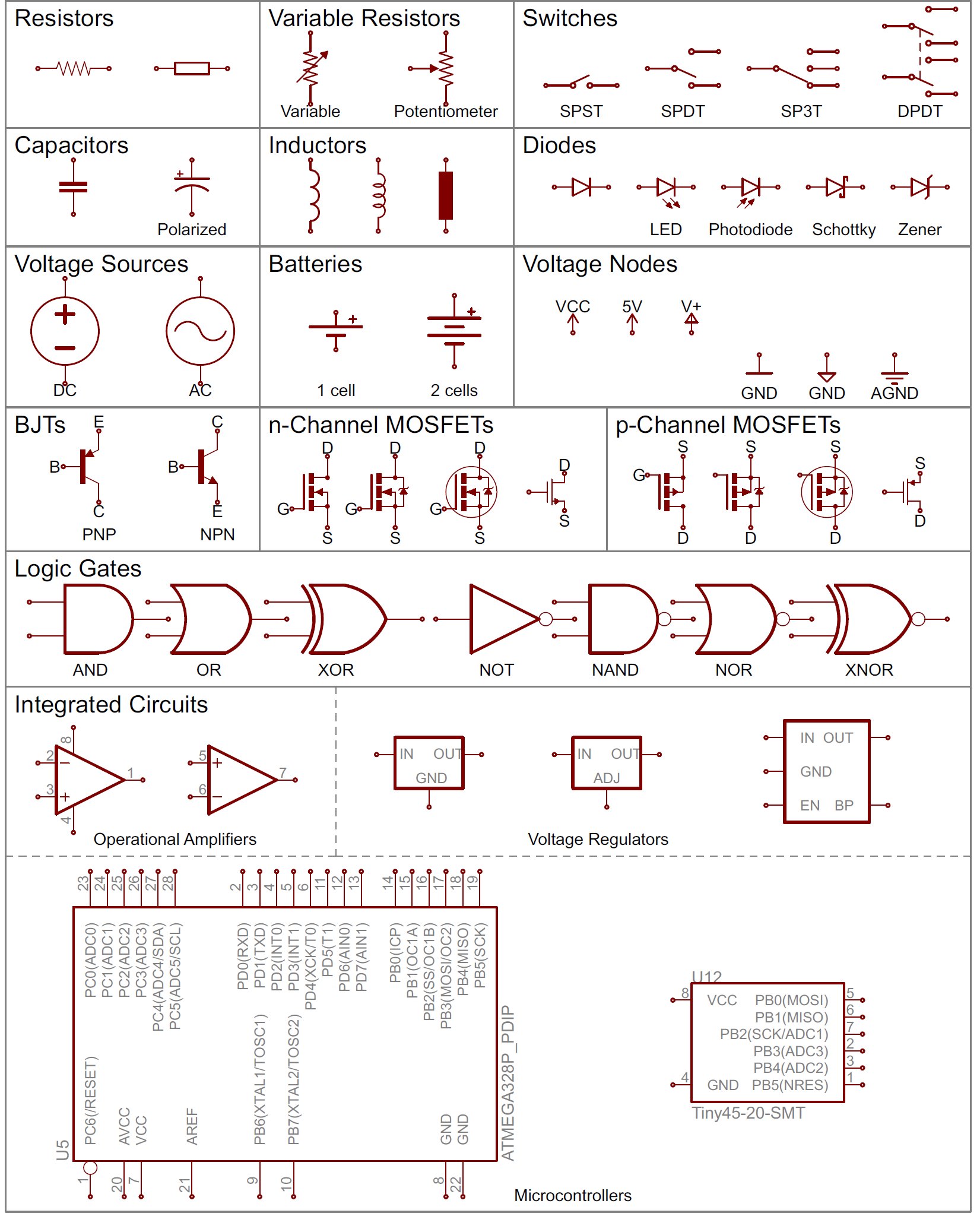
Unlock the mysteries of electrical systems with confidence by mastering the art of how to read wiring diagrams. These intricate blueprints are like maps that guide you through the intricate networks of wires, components, and connections. Understanding them is essential for DIY enthusiasts, technicians, and engineers alike. Dive into this comprehensive guide to demystify the world of wiring diagrams and empower yourself to tackle any electrical project with ease.

Understanding How to Read Wiring Diagrams
Welcome to our guide on how to read wiring diagrams! Have you ever looked at a wiring diagram and felt overwhelmed by all the lines and symbols? Well, fear not! In this article, we will break down everything you need to know about reading wiring diagrams in a simple and easy-to-understand manner. By the end of this guide, you’ll be able to confidently interpret any wiring diagram you come across. Let’s dive in!
What Are Wiring Diagrams?
Before we delve into the nitty-gritty of reading wiring diagrams, let’s first understand what they are. Wiring diagrams are visual representations of electrical circuits. They use symbols to show the connections between various components in a circuit, such as switches, relays, lights, and more. These diagrams are essential for electricians, technicians, and DIY enthusiasts when troubleshooting electrical issues or designing new systems.
The Basics of Wiring Diagram Symbols
One of the key elements of reading wiring diagrams is understanding the symbols used in them. Each symbol represents a specific electrical component or connection. Here are some common symbols you’ll encounter:
1. Lines:
Lines in a wiring diagram show the connections between components. A straight line indicates a basic connection, while a dashed line signifies a connection that crosses without a physical wire link.
2. Circles:
Circles represent connections or junctions where wires are connected. For example, a circle with a “+” inside might indicate a power source or a connection point.
3. Squares/Rectangles:
Squares or rectangles often denote components like switches, relays, or lights. The symbol inside the shape indicates the specific component.
4. Arrows:
Arrows show the direction of current flow in the circuit. They help in understanding how electricity moves through the system.
Deciphering Wiring Diagram Layouts
When you first look at a wiring diagram, it may seem like a jumble of lines and symbols. However, understanding the layout can make a significant difference in how you interpret the information. Here are some key points to keep in mind:
1. Read from Left to Right:
Wiring diagrams are typically read from left to right, following the flow of the electrical current through the circuit. This helps in understanding the sequence of components and connections.
2. Identify Components:
Start by identifying the key components in the diagram, such as batteries, switches, motors, and lights. Understanding the role of each component will make it easier to follow the circuit’s logic.
3. Follow the Lines:
Trace the lines in the diagram to see how components are connected. Pay attention to where lines intersect or branch off, as these points indicate connections or junctions.
Interpreting Wiring Diagram Details
Now that you have a basic understanding of wiring diagram symbols and layouts, let’s dive deeper into interpreting the details presented in these diagrams. Here are some crucial aspects to look out for:
1. Wire Colors:
Wire colors are often used to distinguish between different types of wires in a circuit. Understanding the color codes can help in identifying connections and troubleshooting issues efficiently.
2. Component Labels:
Each component in a wiring diagram is labeled with a specific symbol or identifier. Make sure to refer to the legend or key provided in the diagram to understand what each symbol represents.
3. Circuit Paths:
Follow the paths of wires in the diagram to see how the circuit is connected. Understanding the flow of electricity through each component can help in diagnosing faults or installing new components accurately.
Practical Tips for Reading Wiring Diagrams
Reading wiring diagrams is a skill that improves with practice. Here are some practical tips to enhance your understanding and proficiency in interpreting these diagrams:
1. Practice with Simple Circuits:
Start by working with basic wiring diagrams of simple circuits to grasp the fundamentals. As you become more comfortable with reading these diagrams, gradually move on to more complex circuits.
2. Use Reference Materials:
Keep a handy reference guide or manual that explains common wiring diagram symbols and conventions. Having a quick resource to look up symbols can save you time and eliminate confusion.
3. Break Down the Diagram:
If you’re feeling overwhelmed by a complex diagram, try breaking it down into smaller sections. Focus on understanding one part of the circuit at a time before putting everything together.
Congratulations! You’ve now learned the basics of how to read wiring diagrams. By understanding the symbols, layouts, and key details in these diagrams, you can confidently navigate through even the most intricate electrical circuits. Remember, practice makes perfect, so don’t hesitate to tackle new challenges and expand your knowledge in the world of wiring diagrams. Happy reading!
Thank you for reading our comprehensive guide on how to read wiring diagrams. We hope you found this information helpful and informative. If you have any questions or need further assistance, feel free to reach out to us. Stay tuned for more exciting content!
How to Read Electrical Diagrams | Wiring Diagrams Explained | Control Panel Wiring Diagram
Frequently Asked Questions
How can I understand the symbols used in wiring diagrams?
To understand the symbols used in wiring diagrams, it’s important to refer to the provided key or legend. The key will outline what each symbol represents, such as switches, outlets, wires, and more. Familiarizing yourself with the key will help you navigate the diagram more easily.
What is the best way to trace a circuit on a wiring diagram?
To trace a circuit on a wiring diagram, start by identifying the power source and follow the path it takes through the diagram. Pay attention to how the components are connected, and use a highlighter or pencil to mark the path you are tracing. Following the flow of the circuit will help you understand how the electrical system is wired.
How do I determine the voltage and current flow in a wiring diagram?
To determine voltage and current flow in a wiring diagram, you need to follow the lines representing the electrical connections. Voltage is typically indicated by a V symbol near the source, and current flow is shown by arrows along the wires. By tracing the path of voltage and current, you can understand the direction and magnitude of the electrical flow in the system.
Final Thoughts
Understanding wiring diagrams is crucial for troubleshooting electrical issues. Start by familiarizing yourself with symbols and layout. Follow the flow of the diagram, checking connections and components. Practice interpreting diagrams to build confidence. Remember, mastering how to read wiring diagrams opens the door to effectively diagnosing and fixing electrical problems.