

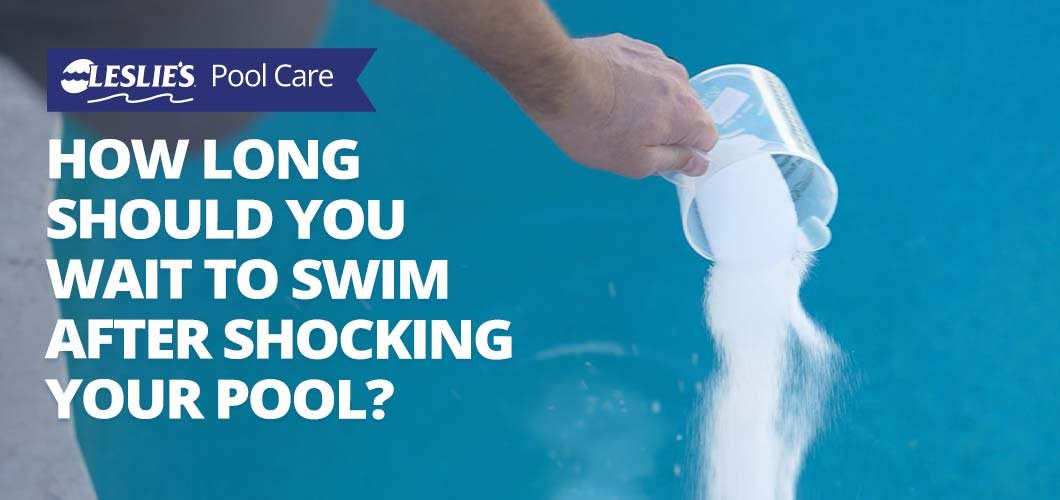
Swim about 8-24 hours after shocking the pool. Shocking your pool is essential for maintaining clean water, but timing your swim post-treatment is key to avoid skin and eye irritation. After adding shock treatment, wait for the chemicals to properly circulate and dissipate, so you can enjoy a safe and refreshing swim. Understanding how long to swim after shocking the pool ensures a pleasant and worry-free swimming experience for you and your family.

How Long to Swim After Shocking Pool
Hello there, swimmers! Have you ever wondered how long you should wait before jumping back into the pool after it has been shocked? Shocking your pool is an essential maintenance step to keep the water clean and safe for swimming. In this article, we will explore the importance of shocking your pool, the process of shocking a pool, and most importantly, how long you should wait before diving back in. So, put on your imaginary goggles, and let’s dive into the world of pool maintenance!
Why Is Pool Shocking Important?
Before we delve into the waiting time after shocking a pool, let’s understand why shocking is a vital part of pool maintenance. Just like how you brush your teeth to keep them clean, pools need regular maintenance to stay sparkling and safe. Pool shocking is a process of adding a high dose of chlorine to the water to kill off any harmful bacteria, algae, and other contaminants that might be lurking in the depths of the pool.
When you swim in a pool, your body oils, sunscreen, sweat, and other impurities can build up over time, creating the perfect breeding ground for bacteria and algae. Regularly shocking your pool helps to eliminate these contaminants, ensuring that the water is safe, clean, and crystal clear for you to enjoy.
The Process of Shocking a Pool
Shocking a pool might sound a bit dramatic, but it’s a simple process that can be done by any pool owner. Here’s a quick overview of how to shock your pool:
1. Test the Water
Before you start the shocking process, it’s essential to test the water’s pH and chlorine levels using a pool testing kit. This will help you determine the amount of shock treatment your pool needs.
2. Choose the Right Shock Treatment
There are different types of shock treatments available, such as calcium hypochlorite, sodium di-chlor, and potassium peroxymonosulfate. Choose the one that is suitable for your pool type and follow the manufacturer’s instructions for dosing.
3. Shock the Pool
Add the shock treatment to the pool water in the evening or at night to prevent the sun from breaking down the chlorine too quickly. Follow the instructions on the shock treatment package for the correct dosage based on your pool size.
4. Circulate the Water
Run your pool pump for a few hours to circulate the shock treatment evenly throughout the water. This will help ensure that all areas of the pool receive the treatment.
How Long Should You Wait Before Swimming?
Now, the million-dollar question – how long should you wait before taking a dip in your pool after it has been shocked? While the exact waiting time can vary based on the type of shock treatment used and the pool size, a general rule of thumb is to wait approximately 8-24 hours before swimming.
During this time, the shock treatment needs to do its job of killing off bacteria and contaminants in the water. Swimming too soon after shocking the pool can result in skin and eye irritation, as well as reduce the effectiveness of the shock treatment.
If you’re unsure about the waiting time for your specific pool and shock treatment, always refer to the manufacturer’s instructions on the shock treatment package. It’s better to be safe than sorry when it comes to pool safety!
Additional Tips for Pool Maintenance
Keeping your pool clean and safe goes beyond just shocking the water. Here are some additional tips to help you maintain a sparkling pool:
1. Regularly Clean the Pool
Skim the surface, vacuum the pool floor, and brush the walls regularly to prevent algae and bacteria buildup. Cleaning your pool regularly can help reduce the need for frequent shocking.
2. Maintain Proper Water Chemistry
Keep your pool’s pH and chlorine levels balanced by testing the water frequently and adding chemicals as needed. Proper water chemistry is crucial for a safe and healthy swimming environment.
3. Cover Your Pool
When not in use, cover your pool with a pool cover to prevent debris from falling in and to reduce evaporation. A pool cover can also help retain heat, saving you money on heating costs.
In conclusion, shocking your pool is an essential part of pool maintenance to keep the water clean, safe, and inviting for a refreshing swim. Remember to follow the manufacturer’s instructions when shocking your pool and wait at least 8-24 hours before swimming to ensure the shock treatment has done its job effectively.
By following proper pool maintenance practices, you can enjoy a sparkling pool all season long. So, be a pool pro and dive into a clean and healthy swimming experience!
Happy swimming!
How Long Do You Have to Wait to Swim after You Shock a Pool?
Frequently Asked Questions
When can I swim in the pool after shocking it?
It is generally recommended to wait at least 8 hours after shocking your pool before swimming. This waiting period allows the chemicals to mix and disperse properly, ensuring the safety and comfort of swimmers.
Can I test the water before swimming to see if it’s safe after shocking the pool?
Absolutely, it’s a good practice to test the water using a pool testing kit before entering the pool after shocking it. Make sure the chlorine levels have returned to normal range (usually 1-3 ppm) before swimming.
What should I do if I swim too soon after shocking the pool?
If you accidentally swim in the pool before the recommended waiting period, it’s important to shower immediately to wash off any chemicals on your skin and swimwear. Additionally, monitor your skin for any irritation or discomfort and consult a healthcare professional if needed.
Final Thoughts
After shocking your pool, wait 24 hours before swimming to ensure the chemicals have fully circulated and dissolved. Swimming too soon can lead to skin and eye irritation. Remember, safety comes first – always follow manufacturer guidelines on when it is safe to swim after shocking your pool. Enjoy a clean and refreshing swim by giving your pool time to balance out after shocking. Remember, patience is key when determining how long to swim after shocking pool.