

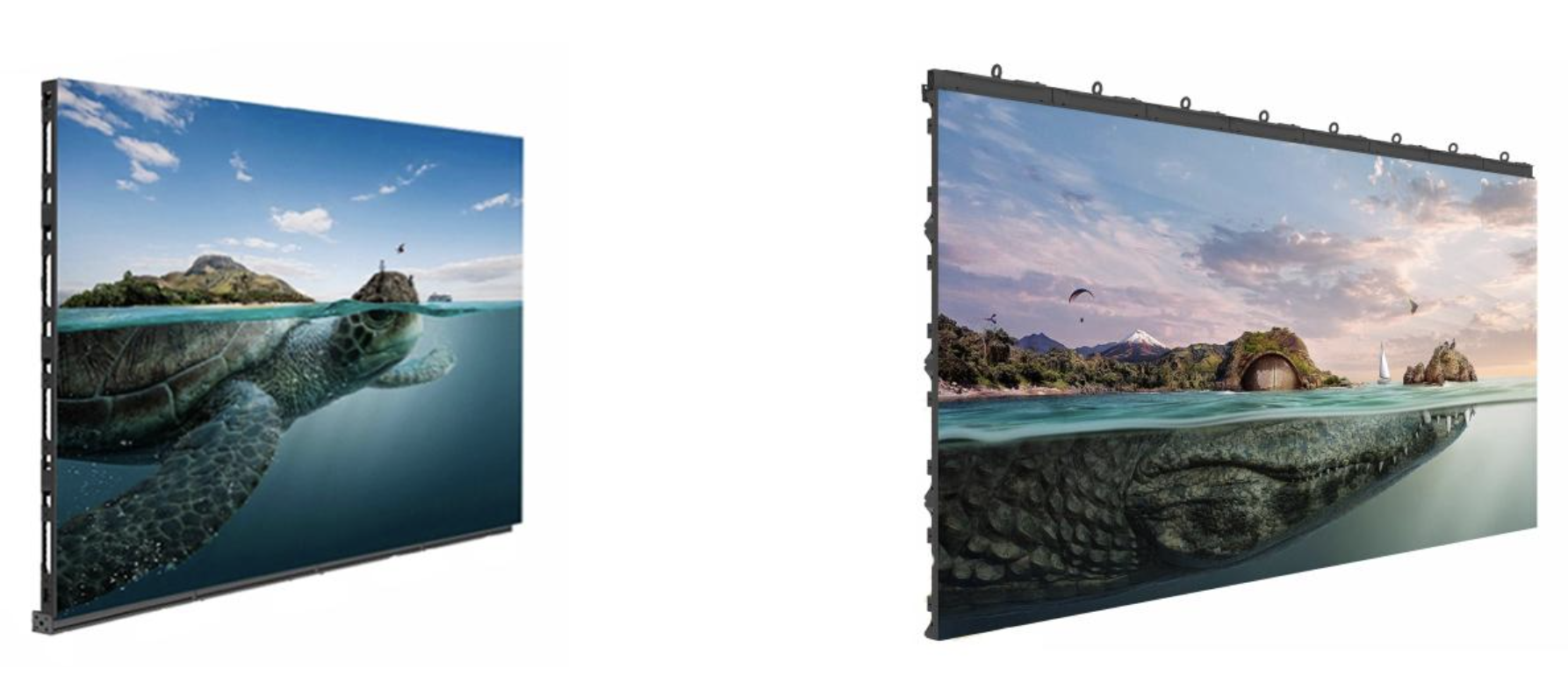
Today, we see screens everywhere—on TVs, computers, and big billboards outside. One important thing that makes these screens work well is how bright they are. Brightness helps us see the pictures clearly, no matter where the screen is placed or how much light is around it.
Bright screens don’t just help us see better—they make the pictures look more colorful and realistic. When a screen is very bright, dark parts look deeper black, and colors pop out more. This makes watching videos or looking at pictures more exciting and lifelike. In summary, brightness isn’t just a small feature—it’s the main thing that helps screens be clear, colorful, and impressive. It makes sure you can see messages on signs, enjoy movies and games, and experience the full beauty of images.

The Standard of Brightness: Understanding Nits
Picking the right brightness level is super important for making screens work their best. Scientists and engineers measure brightness using a unit called “nits.” Think of a nit like the light from one tiny candle shining on a square meter (that’s a big square of space). The higher the number of nits, the brighter the screen.
Visibility is Everything: Conquering Ambient Light
So, a screen with 1,000 nits is much brighter than one with 500 nits. This helps us know exactly how bright a screen is, better than just measuring how much light comes from the whole thing. This is especially important for special kinds of images called HDR (High Dynamic Range).
HDR pictures show a lot more detail and bright colors, like the shiny reflection of sunlight on metal or the bright flash of an explosion. To see these amazing effects, screens must be very bright—over 1,000 nits.
If they aren’t bright enough, the pictures can lose their wow factor. Bright screens are especially helpful when there’s lots of sunlight or bright lights around. For example, if you’re outside looking at a big billboard, it needs to be very bright—like 5,000 nits or more—so you can see what’s on it even in the sun.
Inside, where it’s darker, a screen might only need 500 nits to look good. If a screen isn’t bright enough, the picture can look dull or hard to see.